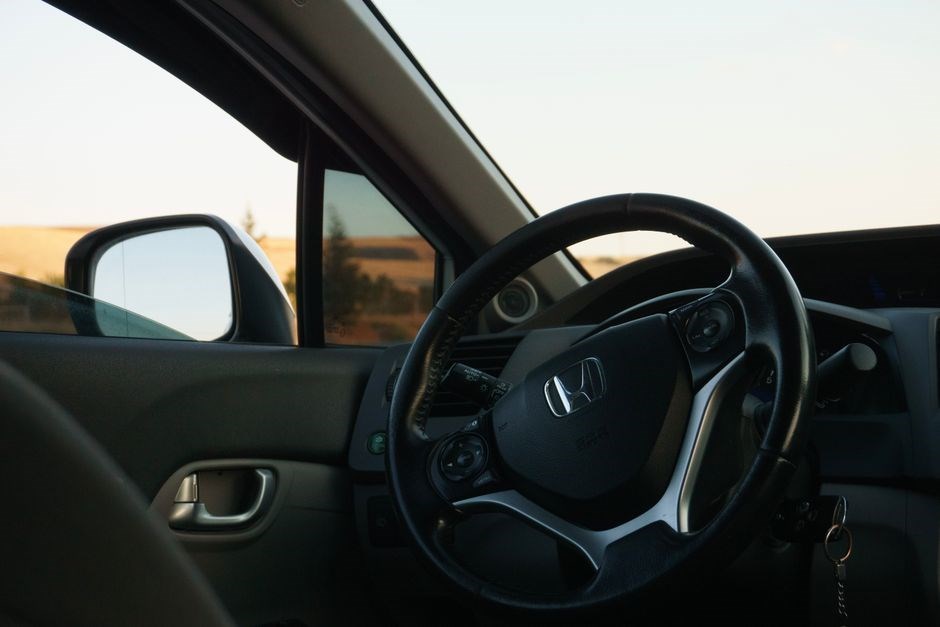
The 2016 CR‑V LX Owner’s Manual offers concise guidance on vehicle operation, maintenance, and safety features․ It details key controls, driving tips, and troubleshooting advice, ensuring owners can confidently navigate daily use and preserve their vehicle’s performance․ Includes warranty and service info

Vehicle Overview
The 2016 Honda CR‑V LX is a compact crossover that blends practicality with a refined driving experience․ Powered by a 2․4‑liter, 4‑cylinder engine delivering 158 horsepower, it pairs with a continuously variable transmission for smooth acceleration and efficient fuel economy․ The vehicle’s front‑wheel‑drive layout offers responsive handling, while the optional all‑wheel‑drive variant enhances traction in diverse conditions․ Exterior styling features a bold front grille, LED daytime running lights, and 17‑inch alloy wheels, giving the CR‑V a contemporary look․ Inside, the cabin accommodates five passengers with supportive seats and a 5‑inch touchscreen infotainment system that supports Bluetooth, Apple CarPlay, and Android Auto․ Standard safety equipment includes a rearview camera, adaptive cruise control, lane‑keeping assist, and a suite of airbags․ The LX trim balances affordability with essential convenience, making it a popular choice for families and commuters alike․ The 2016 CR‑V LX also offers a generous cargo capacity of up to 69․8 cubic feet with rear seats folded, making it ideal for road trips or hauling gear․ Its EPA‑rated fuel economy of 26 mpg city and 32 mpg highway provides a balance between performance and efficiency․ The vehicle’s suspension is tuned for a comfortable ride, absorbing bumps while maintaining handling stability․ Standard amenities include dual‑zone climate control, a 60‑/40 split rear seat, and a rear‑view camera that assists in parking maneuvers․ The CR‑V’s interior uses durable materials and a user‑friendly layout keeping controls within reach․ Enjoy!!!

Dashboard & Controls
The 2016 CR‑V LX dashboard features a 5‑inch touchscreen, steering‑wheel controls, and a digital instrument cluster displaying speed, RPM, fuel level, and trip info․ Standard controls include climate, audio, cruise, and a rear‑view camera view․ The layoutprioritizes ergonomics
3․1 Instrument Cluster
The 2016 CR‑V LX instrument cluster delivers a clear, real‑time readout of speed, RPM, fuel level, engine temperature, oil pressure, and battery voltage․ Its dual‑dial layout blends analog gauges with a digital display, ensuring quick glanceability even in bright sunlight․ A multi‑color LED warning system illuminates for low fuel, engine check, ABS, traction control, and other alerts, keeping drivers immediately aware of any system status changes․ The tachometer’s 2‑digit analog dial and digital RPM readout provide precise engine performance data․ Integrated trip computers track distance, average fuel economy, and trip time, while the clock and calendar display sit on the right side of the speedometer for easy reference․ The cluster is powered by the vehicle’s 12‑volt system and protected by a fuse in the main fuse box, with wiring routed through the center console to the engine control unit for real‑time data․ The 2016 LX model’s driver‑assist display shows lane‑departure warning, forward‑collision warning, and adaptive cruise control status when active, enhancing safety․ The cluster’s design follows EPA standards for safety and visibility, ensuring drivers can monitor vehicle status without distraction․ Maintenance involves checking the fuse, ensuring digital displays function correctly, and using a diagnostic scan to identify fault codes related to the instrument cluster or engine management system․ The cluster’s warranty coverage is part of the vehicle’s standard 3‑year/36,000‑mile limited warranty, covering manufacturing defects that affect its operation․ All features are covered by the standard warranty, ensuring peace of mind for every drive․
3․2 Interior Controls
The 2016 CR‑V LX interior controls are designed for intuitive operation and comfort․ The steering wheel features a multi‑function button that manages audio, cruise control, and voice‑activated commands, while the center console houses a 7‑inch touchscreen for navigation, Bluetooth, and vehicle settings․ The climate control panel offers dual‑zone temperature selection, automatic temperature control, and a dedicated fan speed dial, all illuminated for clear visibility; The driver’s side includes a multifunction steering wheel with audio volume, track skip, and phone‑answer buttons, and a toggle for the rear‑view camera․ The gear selector lever is located on the console, offering manual, automatic, and sport modes, with an indicator light for selected mode․ The instrument cluster’s digital display integrates with the interior controls, allowing the driver to adjust settings via the steering wheel’s button․ The rear seats feature a fold‑flat design with a built‑in USB port and a power outlet for charging devices․ The vehicle’s keyless entry system uses a proximity sensor and a key fob that unlocks doors and activates the alarm․ The interior lighting includes ambient LED trim that can be customized through the infotainment system․ All controls are rated for 3‑year/36,000‑mile warranty coverage, ensuring reliability and ease of use for everyday driving․ Now The steering wheel’s integrated voice‑control system allows hands‑free navigation, media selection, and climate adjustments, enhancing safety and convenience․

Safety & Security Features
The 2016 CR‑V LX includes dual‑stage airbags, ABS, traction control, and a 360° rear‑view camera․ Keyless entry, alarm, and immobilizer enhance security․ Driver‑assist features such as lane‑departure warning and adaptive cruise control improve safety․ All features meet 2016 safety standards warranty and safe now!!!
4․1 Airbag System
The 2016 CR‑V LX features dual front airbags, side‑airbags for the front seats, and a full‑height curtain airbag that deploys over the side windows․ Impact sensors in the steering wheel, dashboard, seat frames, and side pillars feed data to the airbag control module, which inflates the appropriate airbags within 30–40 milliseconds․ This rapid deployment cushions the head, neck, and torso, reducing serious injury․ The curtain airbag protects occupants’ heads in side‑collision scenarios․ Seat‑belt reminder lights are linked to the system; the airbags will not deploy until seat belts are secured, underscoring seat‑belt use․ A diagnostic trouble‑code (DTC) triggers the airbag warning light if a sensor or module malfunctions․ If the warning light remains on after a crash, the vehicle should be inspected by a qualified technician․ Regular maintenance of the electrical system, battery health, and sensor integrity is essential for reliable airbag performance․ The system meets 2016 safety standards and is certified to provide optimal protection for all occupants․ For detailed troubleshooting, service procedures, and component specifications, consult the vehicle’s diagnostic and repair sections․ The airbag system is integrated with the vehicle’s stability control and anti‑roll system, providing coordinated protection during complex crash scenarios․ Each airbag module is pre‑conditioned by the vehicle’s battery to ensure immediate response․ The system’s design complies with the U․S․ National Highway Traffic Safety Administration (NHTSA) regulations and has been validated through extensive crash testing․ Owners should keep the airbag warning light off at all times; any illumination indicates a fault that must be addressed promptly․ The manufacturer recommends inspecting the airbag sensors and connectors during routine service intervals to prevent degradation․ In the event of a severe collision, the airbags deploy in a fraction of a second, absorbing impact energy and reducing the forces transmitted to occupants․ This technology significantly lowers the likelihood of head, neck, and chest injuries, contributing to the overall safety rating of the 2016 CR‑V LX․ The airbag system also includes a driver‑seat and passenger‑seat side‑airbag that deploys when a side impact is detected, providing additional protection to the upper torso and head․ The system’s sensors are calibrated to detect impact forces as low as 0․5 g, ensuring timely deployment in low‑speed collisions․ All airbags are designed to meet or exceed the 2016 Federal Motor Vehicle Safety Standard 208․
4․2 Anti-Theft System
The 2016 CR‑V LX anti‑theft system combines a passive immobilizer, a power‑train security module, and a vehicle‑alarm that activates when the door opens or the vehicle is left unattended․ The immobilizer is built into the engine control unit and requires a valid transponder key; if an unauthorized key is detected, the ECU blocks ignition․ The power‑train module monitors crank signals and disables the fuel pump on irregular patterns, preventing hot‑wiring․ The alarm emits a 120‑decibel siren and flashes exterior lights to deter thieves․ A remote‑start feature allows the driver to start the engine from a distance; if the engine is not started within 60 seconds, it shuts down automatically․ The package meets the 2016 U․S․ Federal Motor Vehicle Safety Standard 108 and is fully integrated with the body‑control module․ For troubleshooting, check battery voltage, key‑fob battery, and ensure the key‑fob is programmed correctly; if the alarm fails to activate, a diagnostic check of the body‑control module and immobilizer ECU is advised․ Firmware updates during service visits address security vulnerabilities․ Owners should keep the key‑fob battery charged and store spare keys securely․ Overall, the anti‑theft system provides layered protection, reducing theft risk while ensuring occupant safety․ The system uses a standard 3‑V lithium‑ion key‑fob battery and can be re‑programmed via the dealer’s diagnostic tool if a key is lost․ The alarm volume is adjustable in the vehicle’s settings menu․

Maintenance & Service
Regular maintenance ensures longevity․ Follow the schedule: oil change every 5,000 miles, inspect brakes, tires, and fluid levels․ Replace air filter, check battery health, and update software․ Keep records for warranty claims and optimal performance․ Schedule inspections at each service to detect wear and safety․

5․1 Oil Change Schedule

During each oil change, also inspect the engine’s oil level and look for any signs of contamination or leaks․ If the oil appears dark or gritty, consider a more frequent change․ Keep the oil filter clean and replace it at the same interval as the oil․ Store your oil change records in a digital log or a dedicated folder; this helps verify compliance with warranty requirements․ For owners who drive in extreme conditions, the recommended interval can be shortened to 2,500 miles or 6 months․ Additionally, use a synthetic oil that meets the OEM specification to protect the engine’s bearings and seals․ Plus, after an oil change, reset the maintenance indicator if your model includes a service reminder system․
During each oil change, also inspect the engine’s oil level and look for any signs of contamination or leaks․ If the oil appears dark or gritty, consider a more frequent change․ Keep the oil filter clean and replace it at the same interval as the oil․ Store your oil change records in a digital log or a dedicated folder; this helps verify compliance with warranty requirements․ For owners who drive in extreme conditions, the recommended interval can be shortened to 2,500 miles or 6 months․ Additionally, use a synthetic oil that meets the OEM specification to protect the engine’s bearings and seals․ Plus, daily! after an oil change, reset the maintenance indicator if your model includes a service reminder system․
Keep a spare oil filter․!< /p>
5․2 Tire Rotation
Rotate the tires every 5,000–7,500 miles or at each oil‑change service․ The 2016 CR‑V LX uses a front‑to‑rear cross pattern for all‑wheel‑drive models and a front‑to‑rear pattern for front‑wheel‑drive models․ Check tire pressure and adjust to the manufacturer’s recommended psi on the driver’s side door jamb․ After rotation, inspect sidewalls for cuts, bulges, or uneven wear․ If any tire shows damage, replace it before the next rotation․ Verify wheel alignment after rotation, especially if the steering wheel is off‑center or uneven wear is present․ Keep a log of each rotation date and mileage in the maintenance booklet or a digital app to stay on schedule․ Remember that extreme temperatures can affect tire pressure, so re‑check pressure monthly during winter and summer․ Proper tire rotation balances wear, improves fuel efficiency, and enhances handling stability․
For 4‑wheel‑drive, use a cross pattern: front tires to rear opposite side, rear to front opposite side․ For front‑wheel‑drive, use a front‑to‑rear pattern․ Avoid t‑pattern or reverse unless recommended․ If tires are unevenly worn, rotate only front tires or use reverse pattern to redistribute wear․ Tighten lug nuts to 140–160 ft‑lb with a torque wrench․ After tightening, let the wheel settle a few minutes before driving․ If you notice sudden pressure loss or traction loss, inspect for punctures or sidewall damage and replace if necessary․ Additionally, if you drive frequently in gravel or off‑road conditions, consider rotating tires more often to prevent uneven wear․ Keep the tire tread depth above the minimum legal limit, and replace tires when tread falls below 2 mm to maintain traction for safety․

Troubleshooting Common Issues
Check engine light? Inspect spark plugs, filters, and vacuum lines․ Transmission warning? Verify fluid level and temperature․ Power steering loss? Examine power steering fluid and pump․ Battery drain? Test alternator output․ Refer to manual for codes and reset procedures!
6․1 Engine Misfire
Engine misfire in a 2016 CR‑V LX often signals ignition or fuel system faults․ Begin with a visual inspection: check spark plug condition, gap, and wiring for damage․ Replace plugs if fouled or cracked․ Verify ignition coils by swapping positions; a weak coil will cause a misfire at a specific cylinder․ Next, inspect the fuel injectors: clean or replace clogged injectors to ensure proper spray․ Check the engine vacuum lines for leaks; a vacuum leak can alter the air‑fuel mixture, leading to misfires․ Inspect the mass airflow sensor (MAF) for dirt; clean with MAF cleaner․ If the misfire persists, use a diagnostic scan tool to read trouble codes; codes such as P0301–P0304 pinpoint the affected cylinder․ Finally, confirm the engine compression is within spec by performing a compression test; low compression may indicate valve or piston issues․ Addressing these areas typically resolves the misfire and restores smooth operation․ Additionally, a weak battery voltage can affect ignition timing, so check the battery and alternator output․ A clogged fuel filter may reduce fuel pressure, causing intermittent misfires․ Inspect the fuel pump for proper pressure readings․ Also, examine the throttle body for debris that could disrupt airflow․ Ensure the engine control module firmware is up to date, as updates can correct sensor misreadings․ If after these steps the misfire still occurs, consider consulting a certified dealership for advanced diagnostics and potential recalls related to the ignition system․ Finally, remember that regular maintenance schedules help prevent such issues․ Keep your service records up to date and address any warning lights promptly to maintain vehicle reliability and safety․
6․2 Transmission Warning
Transmission warning lights on a 2016 CR‑V LX can signal fluid issues or sensor faults․ When troubleshooting, voltage is, can affect transmission control signals․! Inspect the wiring harness for corrosion or loose connections, which can create faults․ If a code P0715 appears, it typically points to a faulty input shaft speed sensor; replacing this sensor often resolves the warning light․ After repair, clear the codes and test drive to confirm the warning light has disappeared․

Warranty & Service Options
The 2016 CR‑V LX comes with a comprehensive warranty package that covers the powertrain, drivetrain, and major components for 3 years or 36,000 miles, whichever comes first․ The extended warranty can be purchased for an additional 3 years or 36,000 miles, providing coverage for the engine, transmission, and drivetrain․ Routine maintenance such as oil changes, filter replacements, and fluid checks are covered under the free maintenance plan for the first 12 months or 12,000 miles․ Service centers offer a range of options, including scheduled maintenance, repair, and diagnostic services․ Customers can schedule appointments online or by phone, and many dealerships provide loaner vehicles during extended repairs․ The warranty also includes roadside assistance for towing, battery jump‑start, and lock‑out services․ For detailed coverage limits, exclusions, and claim procedures, consult the warranty booklet or the official website․ All parts and labor are performed by certified technicians to ensure quality and reliability․ The warranty can be transferred to a new owner if the vehicle is sold within the warranty period, subject to a transfer fee․ Proper documentation and proof of ownership are required for a smooth transfer․
Dealerships offer extended service plans that cover routine maintenance beyond the free period, including oil changes, filter replacements, and tire rotations․ These plans can be customized to match driving habits and are billed annually․ The 2016 CR‑V LX includes a 12‑month roadside assistance program covering towing up to 100 miles, battery jump‑start, and lock‑out services․ Owners can view service schedules via the infotainment system or the mobile app, which sends reminders for upcoming maintenance and warranty expirations․

Appendix & Glossary
Glossary of terms used throughout the 2016 CR‑V LX Owner’s Manual․ ABS – Anti‑Lock Braking System; Air‑bag – safety device that inflates during a collision; Battery – 12‑V source powering electrical components; Brake‑fluid – hydraulic fluid that transmits force to the brakes; CR‑V – Compact Recreational Vehicle; Drive‑mode – selectable settings (Eco, Normal, Sport) that adjust throttle response and transmission shift points; ECU – Engine Control Unit; EVAP – Evaporative Emission Control System; Fuel‑filter – removes particulates from gasoline; HVAC – Heating, Ventilation, and Air‑Conditioning system; MPG – Miles Per Gallon; Power‑train – engine, transmission, and drivetrain components; TPMS – Tire Pressure Monitoring System; VIN – Vehicle Identification Number; For additional definitions, refer to the full manual or the online support portal․
The glossary also includes terms such as ABS, TPMS, and VIN for quick reference․
Additional entries cover terms like Air‑bag, Battery, and Brake‑fluid to aid in understanding vehicle systems․
Use this glossary as a quick reference to enhance your familiarity with the CR‑V LX’s features and maintenance terminology․
For explanations, consult the manual or contact a dealer now․