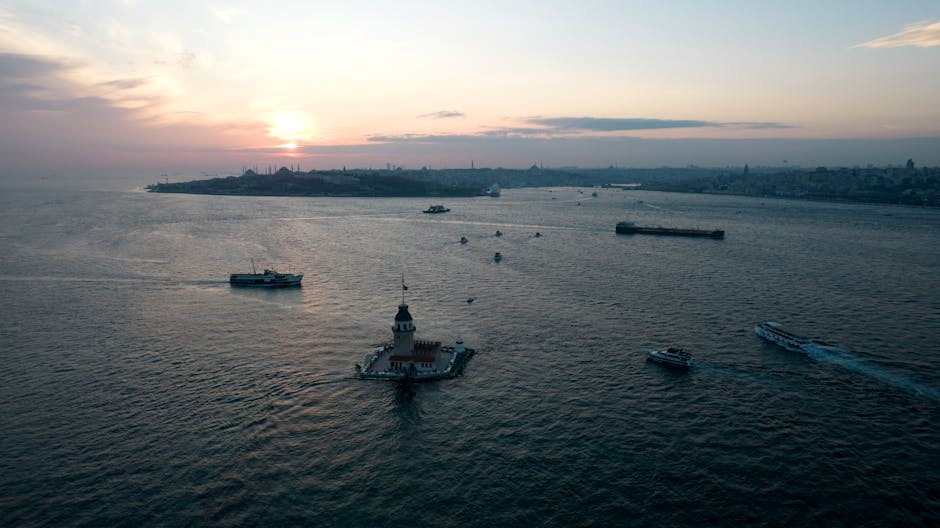
Voyage drones, popularized since 2015, are often called drones – a common term for small multi-rotor UAVs like those from DJI.
What is a Voyage Drone?
Voyage drones represent a significant evolution in unmanned aerial vehicle (UAV) technology, becoming widely recognized since around 2015. Often referred to simply as “drones,” these aircraft are primarily small, multi-rotor systems, with DJI being a leading manufacturer. The term “drone” originated from the resemblance of early UAV engine sounds to male bees (“drones”), though aviation professionals discourage its use.
These systems, like the DJI series, are utilized for diverse applications, from recreational aerial photography to professional surveying and inspection. The Drone Continuous Integration engine, built on Docker, exemplifies the technological sophistication behind modern drone operation, enabling automated testing and controlled build environments. Furthermore, platforms like DCL (Drone Champions League) showcase the advanced capabilities and competitive aspects of drone flight.
Intended Use Cases for Voyage Drones
Voyage drones, and drones in general, have rapidly expanded beyond recreational use. Initially popular for aerial photography and videography, their applications now span numerous industries. Professional surveying and inspection tasks benefit greatly from their aerial perspective, offering efficiency and safety advantages.
The development of platforms like Pixhawk and integration with ROS (Robot Operating System) demonstrate their use in robotics research and development. Competitive drone racing, exemplified by the Drone Champions League (DCL), showcases advanced flight capabilities and algorithmic control. Furthermore, tools like DJITelloPy enable programmatic control, expanding possibilities for automated tasks and customized applications. These versatile UAVs are increasingly integral to both research and commercial endeavors.
Safety Precautions Before First Flight
Prior to initiating flight with your Voyage drone, meticulous safety checks are paramount. Familiarize yourself thoroughly with all applicable regulations, including those set forth by the FAA, and be aware of designated no-fly zones and restricted airspace. Always prioritize responsible drone use, respecting privacy concerns and avoiding overpopulated areas.
Ensure the drone’s components – propellers, battery, and frame – are inspected for damage before each flight. Confirm adequate GPS signal acquisition and perform a compass calibration as instructed. Understand the Return-to-Home (RTH) functionality and test it in a safe, open environment. A pre-flight checklist is crucial for a secure and enjoyable experience.
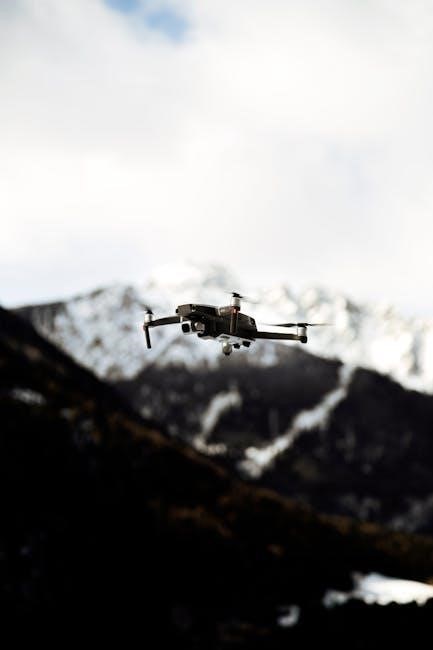
Drone Components and Their Functions
Voyage drones utilize a frame housing the battery, propellers, and camera/gimbal systems. These components work in harmony for stable flight and imagery.
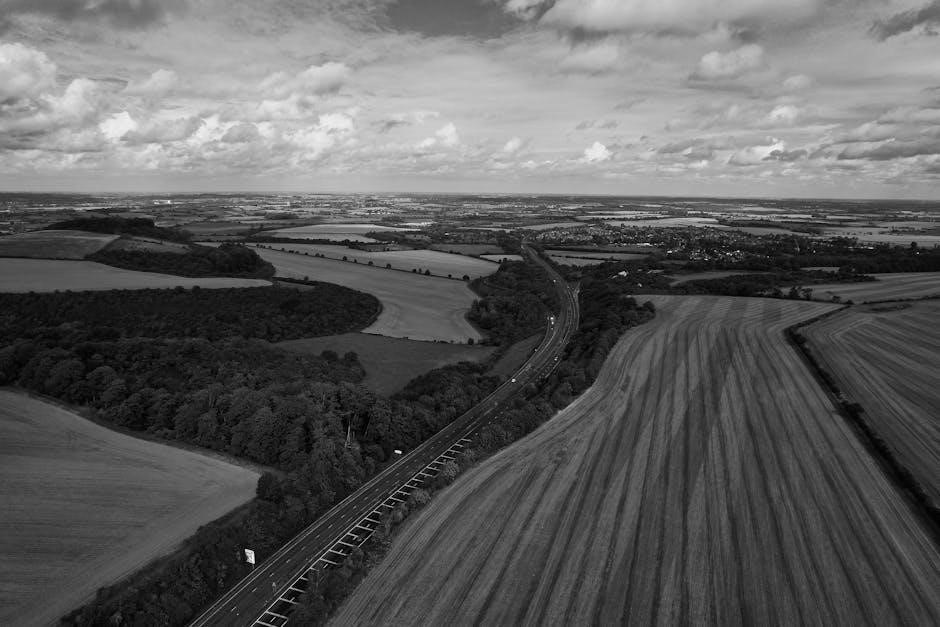
Understanding the Drone Body and Frame
The drone’s body and frame are crucial for protecting internal components and providing structural integrity during flight. Typically constructed from lightweight yet durable materials like carbon fiber or reinforced plastics, the frame dictates the drone’s overall size and shape.
Different frame designs cater to specific flight characteristics and payloads. For instance, a quadcopter frame, common in DJI models, offers stability and maneuverability. The frame also houses mounting points for motors, propellers, the battery, and the camera/gimbal system.
Understanding the frame’s layout is essential for maintenance, repairs, and modifications. Inspecting the frame for cracks or damage before each flight is a vital safety precaution, ensuring the drone’s continued airworthiness.
Battery System: Charging and Maintenance
The battery system is the drone’s power source, typically utilizing Lithium Polymer (LiPo) batteries for their high energy density. Proper charging and maintenance are paramount for safety and maximizing battery lifespan. Always use the manufacturer-recommended charger, avoiding overcharging or fast-charging methods unless specifically approved.
Before each flight, visually inspect the battery for any signs of damage, such as swelling or punctures. Store batteries in a cool, dry place, away from direct sunlight and flammable materials.
Regularly check voltage levels and follow proper storage guidelines to prevent degradation. Discharging batteries to a storage voltage (around 3.8V per cell) when not in use is crucial for long-term health.
Propellers: Installation, Inspection, and Replacement
Propellers are critical for generating lift and controlling the drone’s movement. Correct installation is vital; ensure each propeller is securely attached to its corresponding motor shaft, observing the correct rotation direction – typically indicated by markings on the propeller itself.
Before each flight, meticulously inspect propellers for cracks, chips, or bends. Even minor damage can lead to imbalance and unstable flight. Replace damaged propellers immediately.
Maintaining propeller balance is essential. A slight imbalance can cause vibrations, reducing flight time and potentially damaging the drone. Regularly check for wear and tear, and replace propellers as a set to maintain consistent performance.
Camera and Gimbal System Overview
The camera and gimbal system are central to capturing high-quality aerial footage. The gimbal, a motorized stabilization system, counteracts drone movements, ensuring smooth and steady video even in windy conditions. Understanding the camera’s capabilities – resolution, frame rates, and lens options – is crucial for optimal results.
Many drones, like those from DJI, offer adjustable camera angles and exposure settings. Familiarize yourself with these controls to achieve desired visual effects. Regularly check the camera lens for smudges or debris, as these can significantly impact image quality.
Some drones support live streaming, allowing real-time video transmission. Ensure a stable connection for uninterrupted streaming.
Pre-Flight Checklist and Setup
Pre-flight checks involve firmware updates, controller pairing, GPS signal verification, and compass calibration – essential for safe and reliable operation.
Drone Firmware Updates
Maintaining up-to-date firmware is crucial for optimal Voyage drone performance and safety. Manufacturers, like DJI, regularly release updates addressing bugs, enhancing features, and improving stability. Before each flight, check for available updates through the drone’s companion app.
The update process typically involves connecting the drone to a computer or mobile device and following the on-screen instructions. Ensure a stable power source during the update to prevent interruptions, which could potentially damage the drone’s software.
Firmware updates often include improvements to flight control algorithms, camera functionality, and intelligent flight modes. Ignoring updates can lead to compatibility issues or compromised performance. Prioritize this step as part of your pre-flight routine.
Controller Pairing and Calibration
Successful controller pairing is the first step to operating your Voyage drone. Typically, this involves powering on both the drone and the controller, then initiating the pairing process through the drone’s app. Follow the on-screen prompts carefully, ensuring both devices are in close proximity.
Calibration is equally vital. This process ensures the controller accurately interprets your commands. The app will guide you through a series of stick movements to calibrate the control sticks. A properly calibrated controller provides precise and responsive control.
Regularly re-calibrate if you experience drifting or inaccurate control. A stable connection and accurate calibration are fundamental for safe and enjoyable flight experiences, mirroring the precision found in DJI systems.
GPS Signal Acquisition and Verification
Reliable GPS signal is crucial for stable flight and utilizing features like Return-to-Home (RTH). Before takeoff, ensure your Voyage drone acquires a strong GPS lock. The drone’s app will display the number of satellites connected and signal strength.
Verification involves confirming the drone’s displayed location matches your actual location on a map. A discrepancy indicates a potential GPS issue. Avoid flying in areas with obstructed views of the sky, such as near tall buildings or dense trees, as these can interfere with signal reception.
Wait for sufficient satellites – typically at least 8 – before initiating flight, similar to the standards used in advanced systems like Pixhawk.
Compass Calibration Procedures
Accurate compass calibration is vital for maintaining directional stability and enabling intelligent flight modes. Before each flight, or whenever prompted by the drone’s app, perform a compass calibration. This process neutralizes magnetic interference.
Follow the on-screen instructions within the drone’s app carefully. Typically, this involves rotating the drone horizontally and vertically, ensuring a full 360-degree rotation in each direction. Avoid calibrating near metal objects, power lines, or areas with strong electromagnetic fields.
Recalibrate if experiencing erratic flight behavior or compass errors. Similar to the precision found in ROS-based robotic systems, accurate sensor data is paramount for reliable operation.

Basic Flight Controls and Maneuvers
Mastering takeoff, landing, altitude, and direction is crucial. Utilize intelligent flight modes, like “Follow Me,” and understand the vital Return-to-Home (RTH) function.
Takeoff and Landing Procedures
Initiating flight requires a clear, level surface free of obstructions. Ensure propellers are securely attached and spinning freely before activation. Most Voyage drones employ an auto-takeoff function, often initiated with a simple button press on the controller. Alternatively, manual takeoff involves gently increasing throttle until the drone achieves a stable hover at a safe altitude.
Landing procedures are equally critical. Position the drone directly above the intended landing spot. Slowly decrease throttle, allowing the drone to descend gradually. Maintain a stable hover during the final approach to prevent abrupt landings. Utilize visual cues and the drone’s onboard sensors for precise positioning. Upon touchdown, immediately disarm the motors to prevent accidental propeller rotation.
Controlling Altitude and Direction
Altitude control is typically managed via the left joystick. Pushing the stick upwards increases altitude, while pulling it down decreases it. Smooth, deliberate movements are crucial for stable vertical adjustments. Directional control – forward, backward, left, and right – is governed by the right joystick. Gentle nudges yield precise movements; larger deflections result in faster speeds.
Coordinated control is key to smooth flight. Combining altitude and directional inputs allows for nuanced maneuvering. Practice maintaining a consistent heading while adjusting altitude. Be mindful of wind conditions, which can significantly impact directional stability. Utilize the drone’s visual sensors and GPS for assisted hovering and position hold, enhancing control accuracy.
Using Intelligent Flight Modes (e.g., Follow Me)
Intelligent Flight Modes automate complex maneuvers, simplifying operation. “Follow Me” mode, a popular feature, allows the drone to autonomously track a designated subject – typically the controller or a selected individual. Activation requires a strong GPS signal and clear visibility of the subject. Ensure the area is free of obstacles before engaging this mode.
Other modes, like Orbit and Waypoint navigation, offer further automation. Orbit mode circles a point of interest, while Waypoints enable pre-programmed flight paths. Familiarize yourself with the specific parameters and safety features of each mode before use. Always maintain visual line of sight and be prepared to take manual control if needed.
Return-to-Home (RTH) Functionality
The Return-to-Home (RTH) feature is a critical safety mechanism, automatically returning the drone to its takeoff point. RTH can be triggered manually via the controller or automatically in situations like low battery or signal loss. Before flight, always set a precise home point – ideally with a strong GPS lock.
Understand RTH altitude settings. The drone ascends to a pre-defined altitude before returning, avoiding obstacles. Ensure this altitude is sufficient for the surrounding terrain. Be aware that RTH relies on GPS; interference can affect accuracy. Regularly check battery levels and signal strength to prevent unexpected RTH activation. Practice RTH in a safe, open area to familiarize yourself with its operation.

Camera Operation and Settings
Adjust camera angles and exposure for optimal imagery. DJI drones offer photo and video settings, alongside live streaming capabilities, enhancing operational flexibility.
Adjusting Camera Angle and Exposure
Precise camera control is vital for capturing high-quality aerial footage. Voyage drones, like those from DJI, allow for remote adjustment of both the camera angle – tilting and panning – and exposure settings. Exposure control directly impacts the brightness and clarity of images and videos.
Understanding aperture, shutter speed, and ISO is crucial. Lowering the aperture increases depth of field, while adjusting shutter speed affects motion blur. Higher ISO values brighten images in low light but can introduce noise. Experimentation is key to achieving desired results. Utilize the drone’s intelligent modes to assist with stabilization and smooth camera movements, ensuring professional-looking content. Remember to consider lighting conditions and subject matter when fine-tuning these settings.
Photo and Video Recording Settings
Voyage drones, mirroring capabilities found in DJI models, offer diverse recording settings. For photos, resolution options typically range from 12MP to 20MP, with formats including JPEG and RAW (DNG). RAW provides greater flexibility in post-processing. Video resolutions commonly include 1080p, 2.7K, and 4K, with frame rates of 24, 30, and 60fps.
Choose settings based on intended use. Higher resolutions and frame rates demand more storage and processing power. Consider utilizing adjustable bitrates for video, balancing file size with quality. Explore options like HDR (High Dynamic Range) for photos and video to capture a wider range of tones. Always check storage capacity before commencing lengthy recordings to avoid interruptions.
Live Streaming Capabilities
Voyage drones, similar to popular brands like DJI, increasingly feature live streaming functionality. This allows real-time video transmission to platforms such as YouTube, Facebook, or dedicated drone streaming services. Typically, this requires a stable Wi-Fi connection or a 4G/5G cellular link, often achieved via a compatible mobile device connected to the drone’s controller.
Before streaming, verify signal strength and data usage policies. Adjust video quality settings to balance stream resolution with bandwidth limitations. Latency, or delay, is a common factor; expect a slight delay between the drone’s view and the live feed. Ensure compliance with local regulations regarding broadcasting and privacy during live streams.
Advanced Flight Techniques
Voyage drones support automated flight via waypoints, orbit mode, and points of interest (POI), mirroring features found in DJI models.
Utilizing Waypoints for Automated Flight
Voyage drones, like many modern UAVs including those from DJI, offer waypoint functionality for pre-programmed, automated flight paths. This allows users to define a series of GPS coordinates, instructing the drone to fly to each location sequentially.
Planning waypoint missions involves utilizing flight planning software, often accessible through a mobile app or computer interface. Users input desired altitudes, speeds, and camera angles for each waypoint. This enables complex aerial maneuvers, such as inspecting infrastructure or capturing cinematic footage, without constant manual control.
Successful waypoint missions require careful consideration of airspace regulations and potential obstacles. Thorough pre-flight checks, including GPS signal strength and battery levels, are crucial for safe and reliable automated operation. Analyzing flight logs post-mission provides valuable data for optimizing future waypoint plans.
Orbit Mode and Point of Interest (POI)
Voyage drones, mirroring capabilities found in popular models like those from DJI, frequently include Orbit Mode and Point of Interest (POI) features. Orbit Mode allows the drone to autonomously circle a designated point, maintaining a consistent distance and orientation; This is ideal for capturing 360-degree views of a subject.
POI functionality builds upon this, enabling the drone to continuously focus its camera on a specific object while orbiting or performing other maneuvers. Users select the POI, and the drone’s gimbal automatically adjusts to keep it centered in the frame;
These modes are valuable for filmmaking, real estate photography, and inspection tasks. Careful setup, including selecting a safe orbit radius and verifying GPS lock, is essential for smooth and controlled operation. Remember to adhere to all airspace regulations during automated flights.
Understanding Flight Logs and Data Analysis
Voyage drones, similar to systems utilizing Pixhawk and ROS, generate detailed flight logs during each operation. These logs record crucial data points like GPS coordinates, altitude, speed, battery voltage, and sensor readings. Analyzing this data is vital for improving piloting skills and troubleshooting potential issues.
Flight log analysis software allows users to visualize flight paths, identify areas of instability, and assess battery performance. Examining logs after a crash can help determine the cause and prevent future incidents. Understanding data related to motor performance and propeller balance can also aid in preventative maintenance.
Regularly reviewing flight logs contributes to safer and more efficient drone operation, mirroring the practices of professionals in drone racing and robotics research.
Troubleshooting Common Issues
Voyage drones can experience connection problems, GPS signal loss, or battery issues. Utilizing DJITelloPy or similar tools aids in diagnosing and resolving these challenges.
Drone Won’t Connect to Controller
If your Voyage drone fails to connect to the controller, several troubleshooting steps can be implemented. First, ensure both the drone and controller have sufficient battery power, as low voltage can disrupt the connection. Verify that the controller is properly paired with the drone; re-pairing may be necessary following firmware updates or if the connection was previously unstable.
Check for any physical obstructions or interference that might be blocking the signal between the controller and the drone. Restarting both devices can often resolve temporary glitches. If utilizing a software interface like DJITelloPy, confirm the correct communication protocols are established and that the necessary drivers are installed correctly on your computer. Finally, consult the drone’s manual for specific troubleshooting guidance related to connection issues.
GPS Signal Loss During Flight
Experiencing GPS signal loss during Voyage drone flight can be concerning, but understanding the causes and responses is crucial. Tall buildings, dense forests, and indoor environments significantly obstruct GPS signals. If signal loss occurs, the drone may attempt to maintain its position using visual positioning systems (VPS), if equipped, or initiate a Return-to-Home (RTH) sequence.
Monitor the drone’s status indicators and immediately assess the surrounding environment. If RTH is activated, ensure the return path is clear of obstacles. Avoid flying in areas with known GPS interference. Regularly update the drone’s firmware, as updates often improve GPS performance and stability. Remember that relying solely on GPS is risky; always maintain visual line of sight and be prepared to take manual control.
Battery Issues and Low Voltage Warnings
Addressing battery issues and heeding low voltage warnings are paramount for safe Voyage drone operation. Always fully charge batteries before each flight and inspect them for any physical damage, such as swelling or cracks. Pay close attention to the drone’s low voltage warnings, which indicate critically low battery levels.
When a warning appears, initiate a return-to-home sequence immediately or land the drone as soon as safely possible. Avoid pushing the battery to its absolute limit, as this can cause irreversible damage and potential crashes. Proper battery maintenance, including storage in a cool, dry place, extends battery life and ensures reliable performance. Regularly check firmware updates for improved battery management features.
Propeller Imbalance and Vibration
Propeller imbalance and excessive vibration significantly impact flight stability and can lead to component damage. Regularly inspect propellers for cracks, chips, or bends. Even minor imperfections can cause noticeable vibrations during flight. Ensure propellers are securely attached and tightened to the correct torque specification.
If vibrations are detected, immediately land the drone and identify the source. Replace damaged propellers with new, balanced sets. Consider using a propeller balancing tool to fine-tune propeller balance for optimal performance. Ignoring vibrations can accelerate wear on motors, gimbals, and other sensitive components, potentially leading to costly repairs or crashes.
Regulatory Compliance and Legal Considerations
FAA regulations govern drone operation, including no-fly zones and airspace restrictions. Prioritize responsible drone use and respect privacy concerns during all flights.
FAA Regulations for Drone Operation
Operating a Voyage drone, or any Unmanned Aerial Vehicle (UAV) within the United States, necessitates strict adherence to Federal Aviation Administration (FAA) regulations. These rules are in place to ensure the safety of the national airspace and the public on the ground. Key regulations include registering your drone with the FAA if it weighs over 0.55 pounds.
Pilots must obtain a Remote Pilot Certificate (Part 107) to legally fly drones for commercial purposes, which involves passing a knowledge test. Recreational flyers also have rules to follow, such as maintaining visual line of sight, flying below 400 feet, and avoiding restricted airspace. Understanding and respecting these regulations is crucial for responsible drone operation and avoiding potential penalties.
No-Fly Zones and Restricted Airspace
Voyage drone pilots must be acutely aware of no-fly zones and restricted airspace. These areas are designated for safety and security reasons, and unauthorized drone flights can lead to significant fines and legal repercussions. Common no-fly zones include airports, stadiums during events, and sensitive infrastructure like power plants and correctional facilities.
Several resources, such as the FAA’s B4UFLY app and websites like Aloft, provide up-to-date information on airspace restrictions. Always check these resources before each flight to ensure your intended flight path is clear. Ignoring these restrictions not only violates FAA regulations but also poses a serious risk to manned aircraft and people on the ground.
Privacy Concerns and Responsible Drone Use
Voyage drone operation necessitates a strong commitment to responsible use and respect for privacy. Equipped with cameras, drones have the potential to capture images and videos of individuals without their knowledge or consent, raising significant privacy concerns.
Avoid flying over private property without permission, and refrain from recording or photographing people without their awareness. Be mindful of local laws and regulations regarding surveillance and data collection. Prioritize ethical considerations and operate your drone in a manner that respects the privacy of others. Responsible drone pilots contribute to a positive public perception and ensure the continued safe and legal operation of these versatile aircraft.