
Climbing Shoes Size Guide: A Comprehensive Approach (Updated 02/12/2026)
Navigating climbing shoe sizing is crucial for performance and comfort, differing significantly from standard footwear․ This guide provides detailed insights, ensuring you select the perfect fit for optimal climbing experiences․
Understanding Climbing Shoe Sizing Philosophy
Climbing shoe sizing isn’t about finding your “true” size; it’s about intentionally selecting a fit that enhances performance․ Unlike street shoes built for all-day comfort, climbing shoes prioritize precision and a snug, almost constricting feel․ This deliberate tightness maximizes power transfer to the rock, enabling secure edging and sensitive smearing․
The philosophy centers around a close connection between foot and shoe, minimizing dead space․ Expect a smaller size than your regular shoes, as climbing shoes are designed to be worn aggressively․ Sizing is a critical part of enjoying climbing, whether pushing grades or simply having fun․
Why Climbing Shoe Sizing Differs from Street Shoe Sizing
Street shoes prioritize comfort and cushioning, incorporating extra volume for everyday wear․ Climbing shoes, conversely, demand precision and sensitivity, requiring a close, anatomical fit․ Street shoe sizing often accounts for sock thickness and foot swelling, while climbing shoes are typically worn without socks, or with very thin ones․
Black Diamond’s Momentum shoes are sized based on the last’s actual dimensions, unlike street shoes with built-in space․ This means you’ll likely need a smaller size in climbing shoes․ The goal isn’t comfort, but maximizing performance through a secure, responsive connection to the rock․

Factors Influencing Climbing Shoe Size
Several key elements impact your ideal climbing shoe size, extending beyond simple foot length․ Foot shape and volume are paramount – a narrow foot requires a different fit than a wide one․ Your climbing discipline matters; bouldering often demands a tighter fit than trad climbing․
Shoe upper material also plays a role․ Leather uppers stretch considerably, while synthetic materials offer minimal give․ Accurately assessing these factors is vital for selecting shoes that enhance performance and prevent discomfort during climbs․
Foot Shape and Volume
Understanding your foot’s unique characteristics is fundamental to proper climbing shoe sizing․ A narrow foot benefits from shoes with a snug heel and a precise fit throughout the toe box․ Conversely, a wide foot requires shoes with a broader toe box to avoid painful compression․
Foot volume – the overall thickness of your foot – also influences sizing․ High-volume feet may need a size up to accommodate fullness, while low-volume feet may benefit from a tighter, more aggressive fit․
Climbing Discipline (Bouldering, Sport, Trad)
The type of climbing significantly impacts ideal shoe fit․ Bouldering often demands aggressive downturn and a very precise, tight fit for maximum power on challenging moves․ Sport climbing benefits from a balance of sensitivity and support, leaning towards a snug but not overly painful fit․
Traditional (Trad) climbing typically prioritizes all-day comfort and edging support, often favoring a slightly more relaxed fit to accommodate longer routes and varied terrain․ Consider your primary climbing style when selecting shoe tightness․
Shoe Upper Material (Leather vs․ Synthetic)
The upper material dramatically influences sizing considerations․ Leather uppers are renowned for their ability to stretch – typically 1 to 2 sizes – and conform to the foot’s shape, requiring a potentially tighter initial fit․ Expect a faster break-in period with leather․
Synthetic uppers, conversely, exhibit minimal stretch and retain their shape more consistently․ This necessitates a more precise fit from the outset, avoiding excessive room for expansion․ Synthetic shoes are ideal for maintaining a consistent, performance-oriented fit․
Leather Climbing Shoe Sizing Considerations
Leather shoes demand careful sizing due to their significant stretch potential․ Anticipate a 1 to 2 size expansion as the leather molds to your foot․ Prioritize a snug fit initially, acknowledging the break-in period․
Performance-focused climbers often downsize leather shoes, maximizing precision, while those prioritizing comfort may opt for a less aggressive fit․ Remember, leather conforms, so a slightly tighter feel will evolve with wear․ Consider the climbing discipline; aggressive styles benefit from tighter fits․
Expected Stretch and Break-In Period
Leather climbing shoes require a break-in period, during which the leather softens and conforms to your foot’s unique shape․ Expect significant stretching – potentially up to two full sizes – as the material yields․
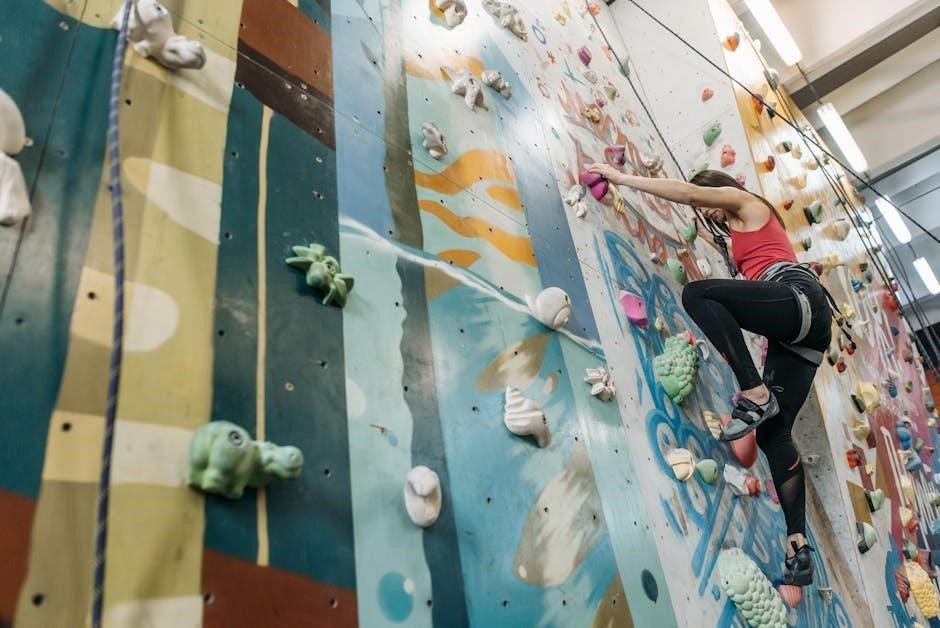
This process isn’t instant; consistent climbing accelerates it․ Initially, the shoes will feel tight, but with each session, they’ll become more comfortable and precise․ Synthetic shoes, conversely, exhibit minimal stretch, retaining their shape throughout their lifespan, demanding a more accurate initial fit․
Sizing for Performance vs․ Comfort (Leather)
With leather shoes, a key decision revolves around prioritizing performance or comfort․ For aggressive climbing, downsizing is common, accepting initial discomfort for enhanced precision and power transfer․ This means selecting a shoe significantly smaller than your street shoe size․
However, prioritizing all-day comfort necessitates a looser fit, sacrificing some sensitivity․ Leather’s stretch allows for adjustment, but careful consideration is vital․ Finding the balance depends on your climbing style and tolerance for discomfort․
Synthetic Climbing Shoe Sizing Considerations
Synthetic climbing shoes present unique sizing challenges due to their limited stretch․ Unlike leather, they typically expand by only up to a size, and crucially, retain their shape much better․ This demands a more precise initial fit, minimizing room for adjustment post-purchase․
Therefore, a snug, but not painful, fit is paramount․ Avoid sizing up expecting significant break-in, as synthetic materials offer minimal give․ Focus on a fit that feels secure and supportive from the outset, prioritizing precision over potential comfort gains through stretching․
Minimal Stretch and Shape Retention
Synthetic climbing shoe uppers are engineered for durability and consistent performance, exhibiting minimal stretch compared to leather․ This characteristic is vital when considering sizing, as significant expansion isn’t anticipated during use․ Expect roughly up to a size of expansion, but don’t rely on it․
Furthermore, synthetics excel at shape retention, meaning they maintain their original form even under stress․ This contrasts with leather, which molds to the foot over time․ Consequently, a precise fit is crucial from the beginning, avoiding the need for substantial break-in periods․
Sizing for a Precise Fit (Synthetic)
Given the limited stretch of synthetic materials, prioritizing a precise fit when selecting synthetic climbing shoes is paramount․ Avoid the temptation to size up, anticipating significant give; instead, aim for a snug, yet comfortable, feel right from the start․
A well-fitted synthetic shoe should offer excellent sensitivity and edging power․ Consider your climbing discipline – more aggressive fits are suitable for bouldering and sport climbing, while slightly more relaxed fits may suit trad climbing․ Remember, a precise fit maximizes performance and minimizes wasted energy․
General Sizing Guidelines & Conversion Charts
Establishing a baseline size is the first step; typically, climbing shoe sizes run smaller than street shoe sizes․ Expect to downsize, but the exact amount varies based on brand, model, and foot shape․ Utilize conversion charts as a starting point, recognizing they are approximations․
International size conversions are essential for online purchases․ Tools are available to translate between US, UK, and EU sizes․ Remember to consider your foot’s unique characteristics and prioritize trying on shoes whenever possible for the most accurate fit․
Converting Street Shoe Size to Climbing Shoe Size
Directly translating street shoe size to climbing shoe size is unreliable due to differing fit philosophies․ Street shoes prioritize comfort, while climbing shoes demand precision․ As a general guideline, subtract 1․5 to 2 sizes from your street shoe size when initially estimating your climbing shoe size․
However, this is merely a starting point․ Synthetic shoes may require less downsizing than leather shoes, given leather’s tendency to stretch․ Always prioritize trying on shoes and understanding the specific sizing nuances of each brand and model for an accurate fit․
International Size Conversion Tools
Navigating international sizing standards can be complex․ Fortunately, numerous online tools facilitate accurate conversions between US, UK, and European climbing shoe sizes․ These tools are invaluable when purchasing from brands utilizing different sizing systems․
Utilize these resources as a preliminary step, but remember they provide estimates․ Individual brands often deviate from standard conversions․ Always cross-reference with brand-specific size charts and, ideally, try on shoes to confirm the perfect fit․ Accuracy is key for optimal climbing performance and comfort․
The Importance of Trying On Climbing Shoes
Trying on climbing shoes is paramount; online charts are merely starting points․ Feet swell during the day and, especially, while climbing, so fit shoes later in the afternoon or evening for the most accurate assessment․
Pay close attention to heel fit, ensuring minimal lift․ The toe box should feel snug, but not painfully tight․ Assess arch support and overall comfort․ Simulate climbing movements – heel hooks and toe engagements – to verify performance․ A proper fit enhances control and prevents discomfort․
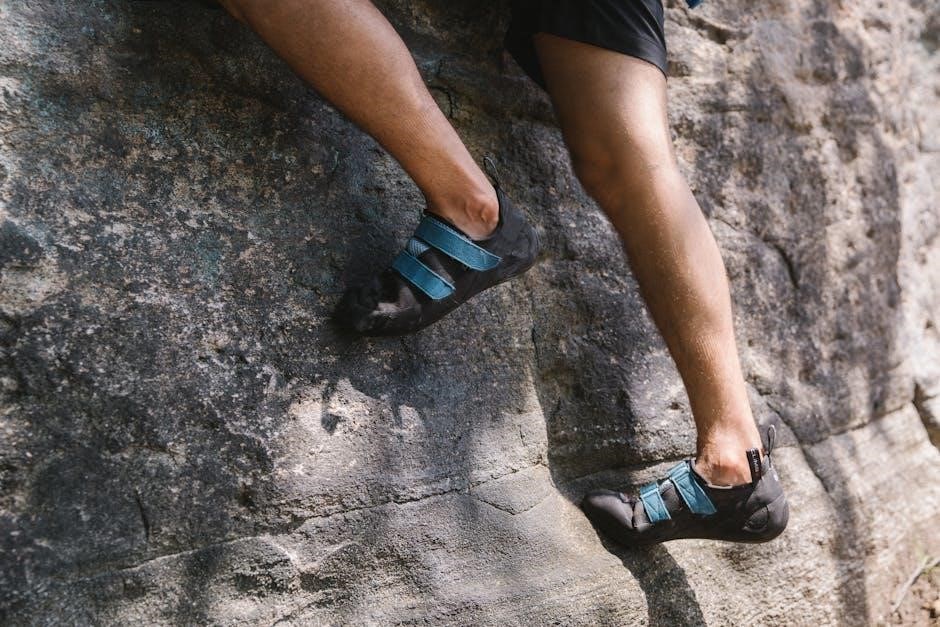
Timing Your Fitting (Later in the Day)
The timing of your climbing shoe fitting significantly impacts accuracy․ Feet naturally swell throughout the day due to gravity and activity․ Therefore, always try on shoes in the late afternoon or evening, mirroring the conditions your feet will experience during climbing sessions․
This ensures a snug, yet comfortable fit, accounting for potential expansion․ Trying shoes on first thing in the morning can lead to an overly optimistic fit that becomes painfully tight on the wall․ Prioritize a fitting that reflects real-world climbing conditions․
Assessing the Fit: Heel Hook, Toe Box, and Arch
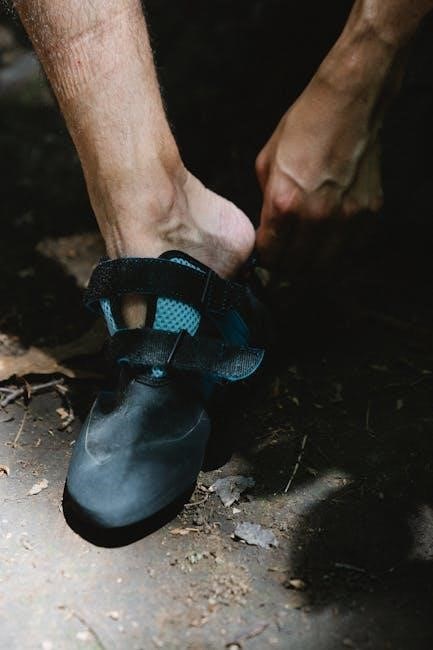
A proper fit requires evaluating key areas: the heel, toe box, and arch․ Perform heel hooks to ensure a secure, no-slip connection – crucial for advanced moves․ The toe box should snugly embrace your toes, allowing for power transfer without excessive cramping․
Check for dead space; a gap indicates a poor fit․ Finally, assess the arch support․ A well-fitting shoe will comfortably support your arch, preventing fatigue․ Prioritize a balanced fit across all three areas for optimal performance and comfort․
Specific Brand Sizing Variations
Climbing shoe sizing isn’t universal; brands differ significantly․ Black Diamond Momentum shoes typically run smaller than street shoe sizes due to their precise last dimensions․ La Sportiva often fits narrower, while Scarpa tends to be wider․ Five Ten sizing can vary between models, requiring careful consideration․
Always consult brand-specific size charts and reviews․ Synthetic shoes, like those from Black Diamond, may expand, influencing initial fit․ Prioritize trying on shoes from each brand to determine your ideal size․
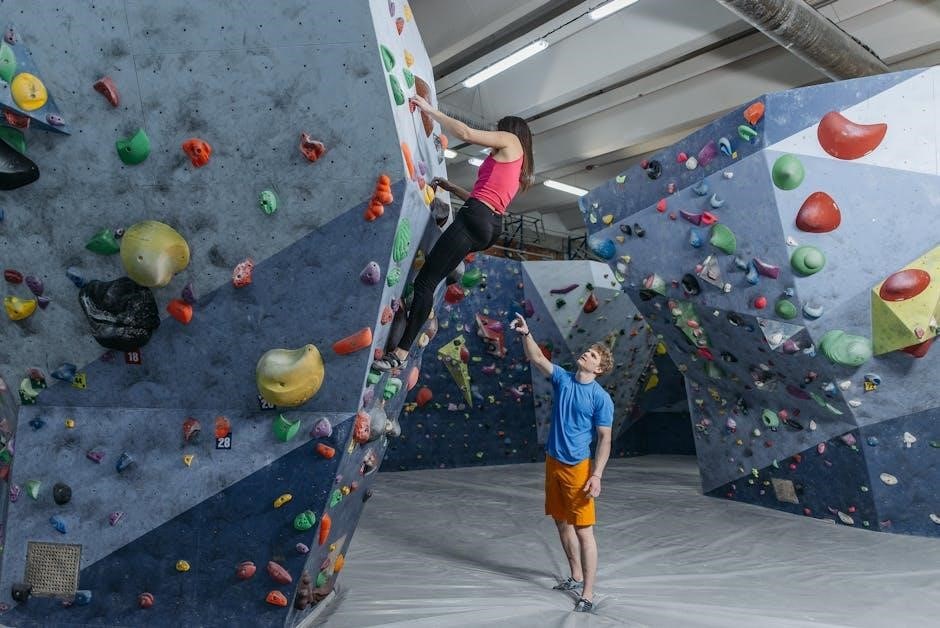
Black Diamond Momentum Sizing
Black Diamond Momentum shoes are known for their precision fit, differing from the more generous sizing of street shoes․ Expect to size down considerably – often a full size or even more – compared to your regular shoe size․
The Momentum’s construction focuses on accurate last dimensions, minimizing excess space․ Synthetic uppers offer limited stretch, so prioritize a snug, yet comfortable, initial fit․ Consider your foot volume; a higher volume foot may require a wider size․
Other Popular Brand Considerations (La Sportiva, Scarpa, Five Ten)
La Sportiva shoes generally run smaller, often requiring a significant downsize, particularly in aggressive models; Scarpa sizing tends to be more consistent with European standards, potentially needing less downsizing than La Sportiva․
Five Ten shoes vary greatly by model; some run true to size, while others require downsizing․ Always consult specific size charts for each brand and model, as variations exist․ Prioritize trying on shoes whenever possible to ensure a precise fit tailored to your foot shape․
Advanced Sizing Techniques
Downsizing is common for aggressive climbing shoes, maximizing performance by creating a tighter fit․ However, excessive downsizing can lead to discomfort and injury․ Understanding last dimensions—the foot-shaped form around which the shoe is built—is crucial․ A narrower last suits narrow feet, while a wider last accommodates broader feet․
Consider volume: high-volume feet may need wider shoes or larger sizes․ Experimentation is key; try different brands and models to find the best fit for your unique foot shape and climbing style․
Downsizing for Aggressive Climbing
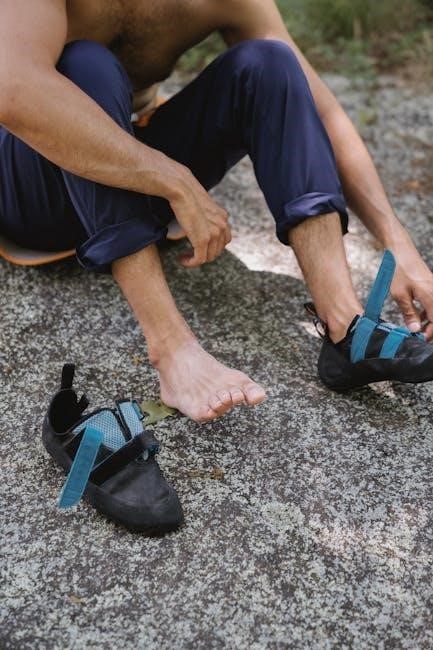
Aggressive shoes, designed for steep terrain and precise footwork, often benefit from downsizing․ This creates a snug, performance-oriented fit, enhancing sensitivity and power transfer․ However, downsizing should be approached cautiously․ Excessive tightness restricts blood flow and causes pain, hindering performance․
Start with a half-size down and assess the fit carefully․ Prioritize comfort within the aggressive fit; a shoe that’s excruciatingly tight won’t improve climbing․ Remember, downsizing is about precision, not pain․
Understanding Last Dimensions
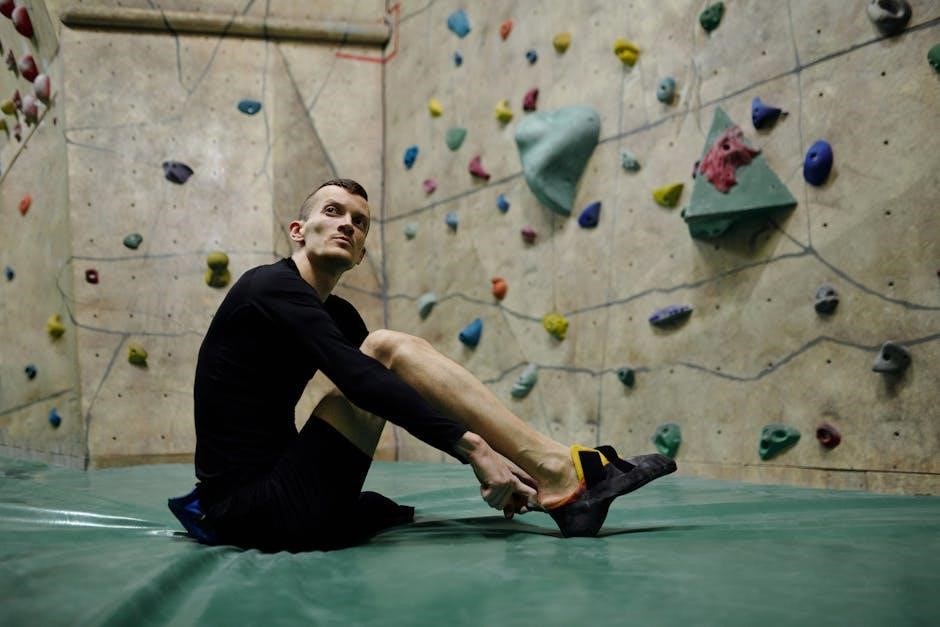
The “last” represents the 3D form around which a climbing shoe is built, significantly impacting fit․ Different lasts cater to various foot shapes – some are wider, others narrower, and some have a higher volume․ Knowing the last dimensions is crucial for finding a comfortable and high-performing shoe․
Manufacturers often provide last details; research these before purchasing․ A symmetrical last suits wider feet, while an asymmetrical last excels in precision for narrower feet․ Consider the shoe’s downturn – a more aggressive downturn requires a precise fit․
Dealing with Foot Pain and Blisters
Foot pain and blisters signal an ill-fitting climbing shoe, hindering performance and enjoyment․ Recognizing these signs early is vital․ Common causes include shoes that are too tight, too loose, or have pressure points․ Sharp pain during climbing or persistent soreness afterward indicates a problem․
Adjustments like thinner socks or taping can offer temporary relief․ However, significant discomfort warrants re-evaluation of the fit․ Consider professional advice or exploring different shoe models․ Prioritize foot health; a comfortable foot climbs better!
Recognizing Ill-Fitting Shoes
Identifying a poor fit is the first step to resolving climbing discomfort․ Key indicators include numbness in the toes, excessive heel slippage, or intense pressure points․ Pain that develops quickly during a climb is a red flag․ Look for red marks or blisters forming after a session․
Tight shoes restrict circulation, while loose shoes compromise precision․ Pay attention to how your foot feels within the shoe – it shouldn’t be contorted or cramped․ Trust your instincts; if it feels wrong, it probably is!
Adjustments and Solutions for Discomfort
Addressing ill-fitting shoes requires a strategic approach․ Consider using thinner or thicker socks to fine-tune the fit, but avoid over-padding, which reduces sensitivity․ For heel slippage, heel lock taping can provide a secure hold․ Toe socks can minimize rubbing and blisters․
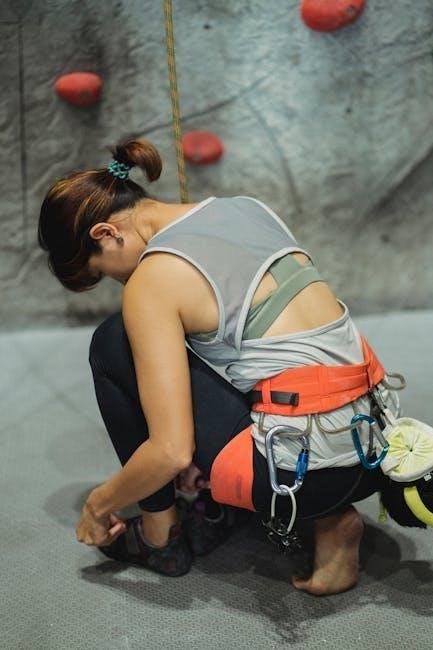
If discomfort persists, explore stretching options for leather shoes․ However, synthetic shoes offer limited stretch, so resizing might be necessary․ Don’t ignore persistent pain; it could lead to injury․ Professional advice is invaluable!
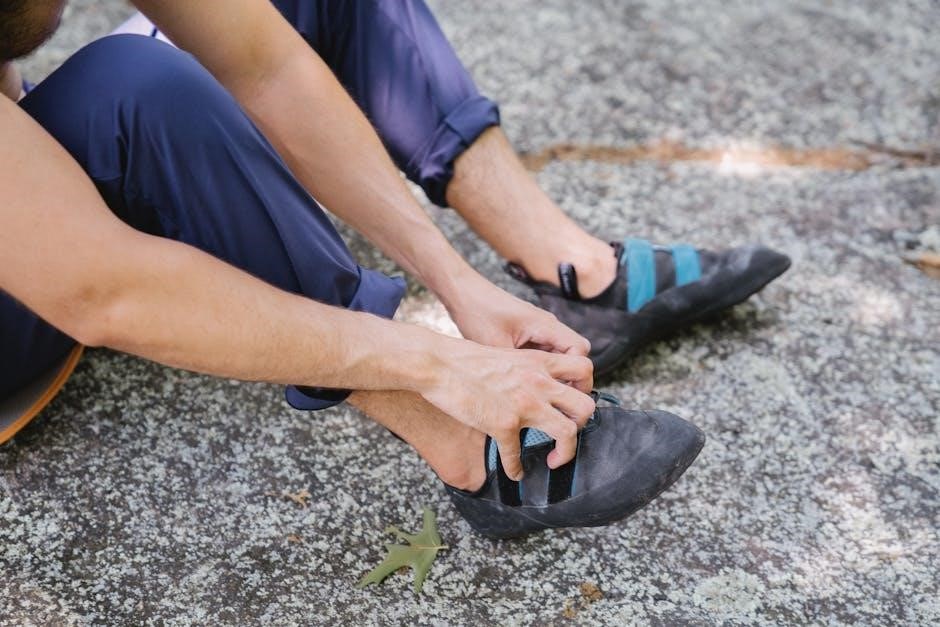
Resources for Further Research
Numerous online tools and expert sources can refine your climbing shoe sizing knowledge․ Utilize online climbing shoe size calculators to convert measurements and explore brand-specific charts․ Websites dedicated to climbing gear reviews offer valuable insights from experienced climbers․
Consult forums and communities for personalized advice and shared experiences; Retailers often provide sizing guides and expert fitting services․ Remember, informed decisions lead to optimal performance and enjoyment on the rock!
Online Climbing Shoe Size Calculators
Several websites offer climbing shoe size calculators to assist in finding your ideal fit․ These tools typically request your street shoe size and preferred climbing discipline․ They then provide a recommended climbing shoe size range, considering factors like brand and shoe type․
However, remember these are estimations․ Always cross-reference with brand-specific size charts and prioritize trying shoes on whenever possible․ Calculators are a helpful starting point, but a personalized fitting remains crucial for optimal comfort and performance․
Expert Advice and Reviews
Seeking guidance from experienced climbers and reading online reviews can significantly refine your sizing choices․ Experienced climbers often share insights into specific shoe models, detailing their fit characteristics and stretch potential․
Review websites and forums provide valuable feedback from diverse climbers, highlighting potential sizing issues or comfort concerns․ Consider the reviewer’s foot shape and climbing style when evaluating their opinions․ Combining calculator estimations with expert advice offers a well-rounded approach to finding your perfect climbing shoe size․